

Grand Théâtre de Genève tickets 5 June 2027 - Premiere The Threepenny Opera | GoComGo.com

Premiere
The Threepenny Opera

Grand Théâtre de Genève, Bâtiment des Forces Motrices (BFM), Geneva, Switzerland
All photos (8)
Select date and time
7:30 PM
From
US$ 134

E-tickets: Print at home or at the box office of the event if so specified. You will find more information in your booking confirmation email.

You can only select the category, and not the exact seats.
If you order 2 or 3 tickets: your seats will be next to each other.
If you order 4 or more tickets: your seats will be next to each other, or, if this is not possible, we will provide a combination of groups of seats (at least in pairs, for example 2+2 or 2+3).

Important Info
Type: Opera
City: Geneva, Switzerland
Starts at: 19:30
Intervals: 1
Duration: 3h
Sung in: German
Titles in: French,English

E-tickets: Print at home or at the box office of the event if so specified. You will find more information in your booking confirmation email.

You can only select the category, and not the exact seats.
If you order 2 or 3 tickets: your seats will be next to each other.
If you order 4 or more tickets: your seats will be next to each other, or, if this is not possible, we will provide a combination of groups of seats (at least in pairs, for example 2+2 or 2+3).

Cast
Creators
Composer: Kurt Weill
Conductor: Adam Benzwi
Director: Barrie Kosky
Librettist: Bertolt Brecht
Overview

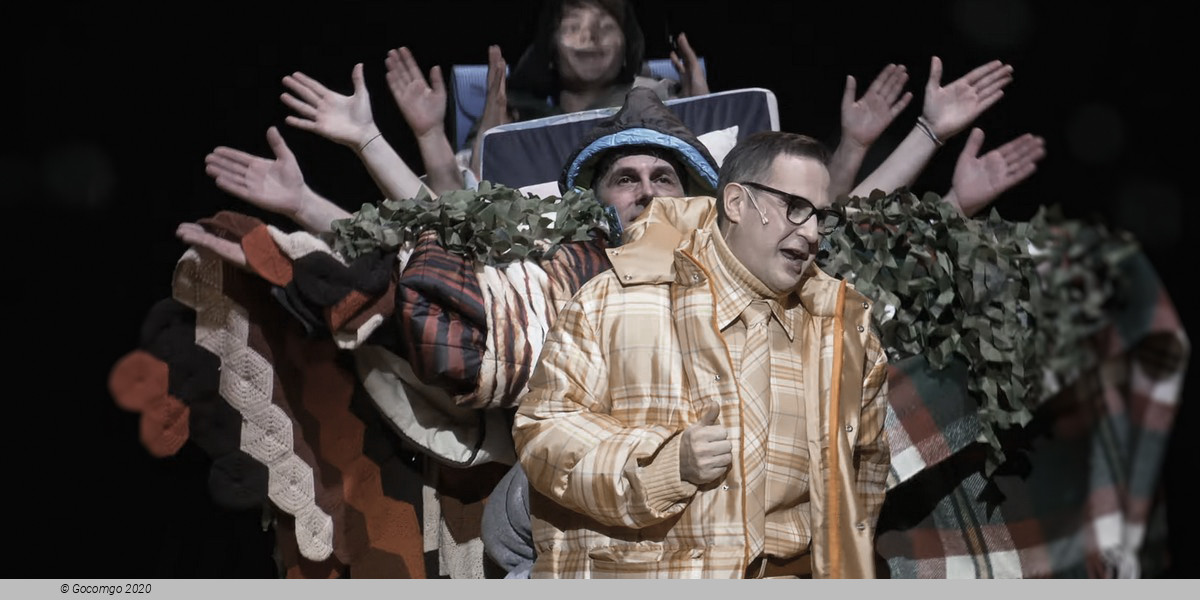
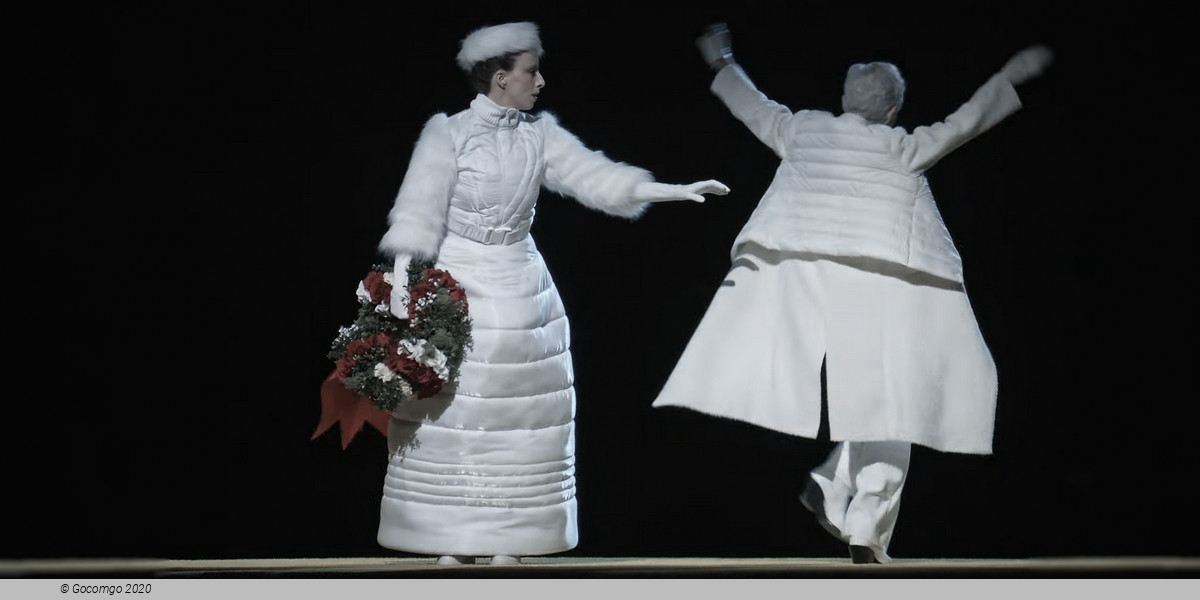
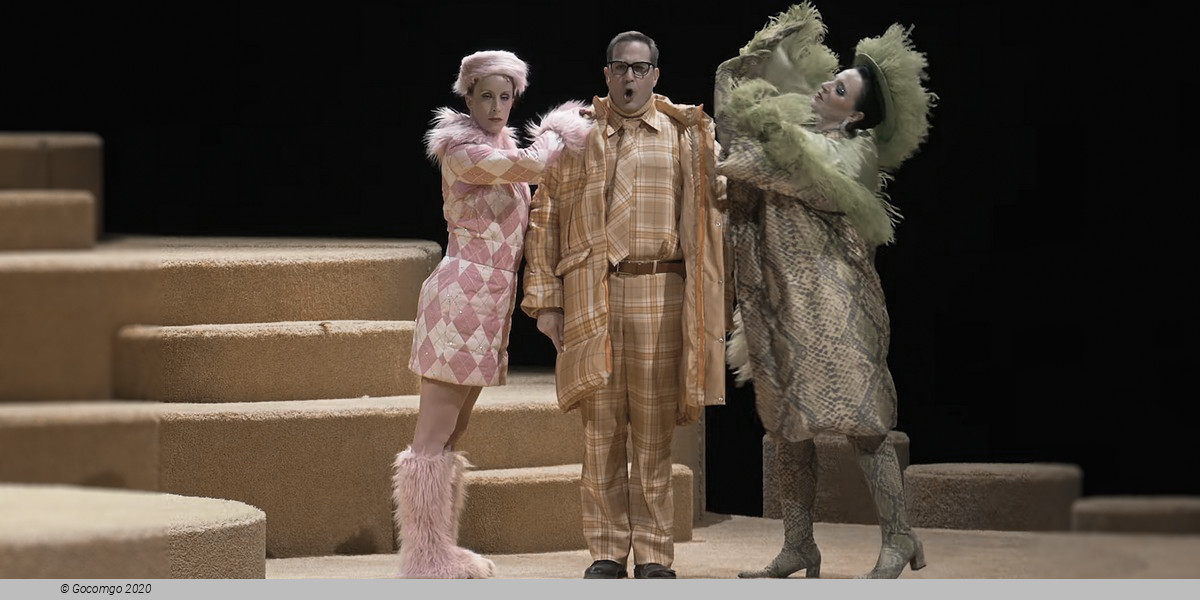
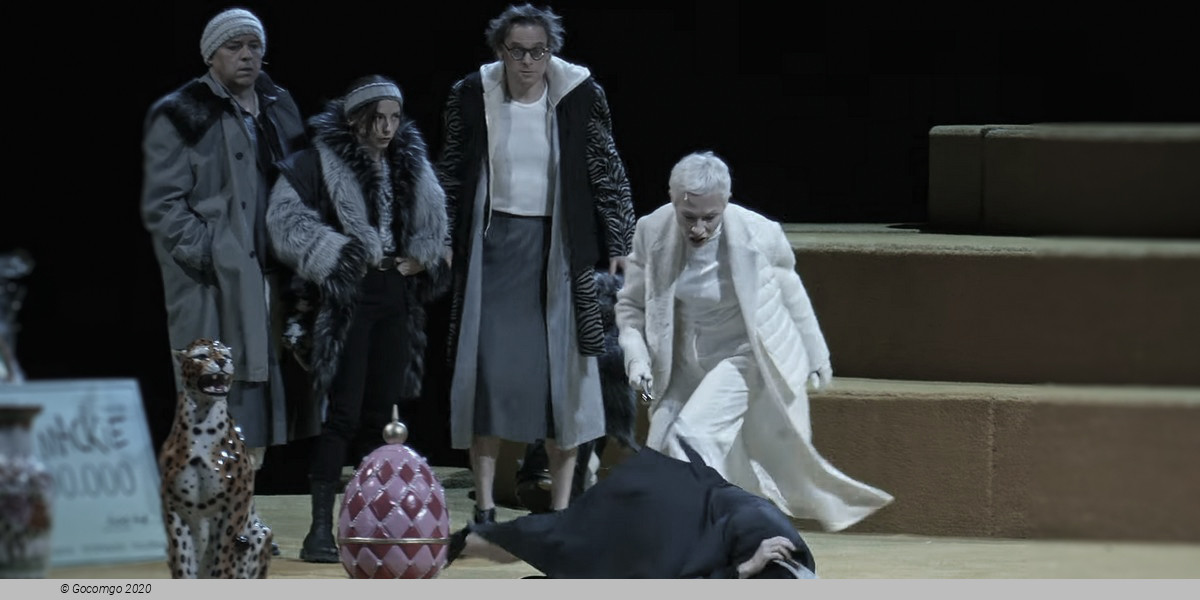
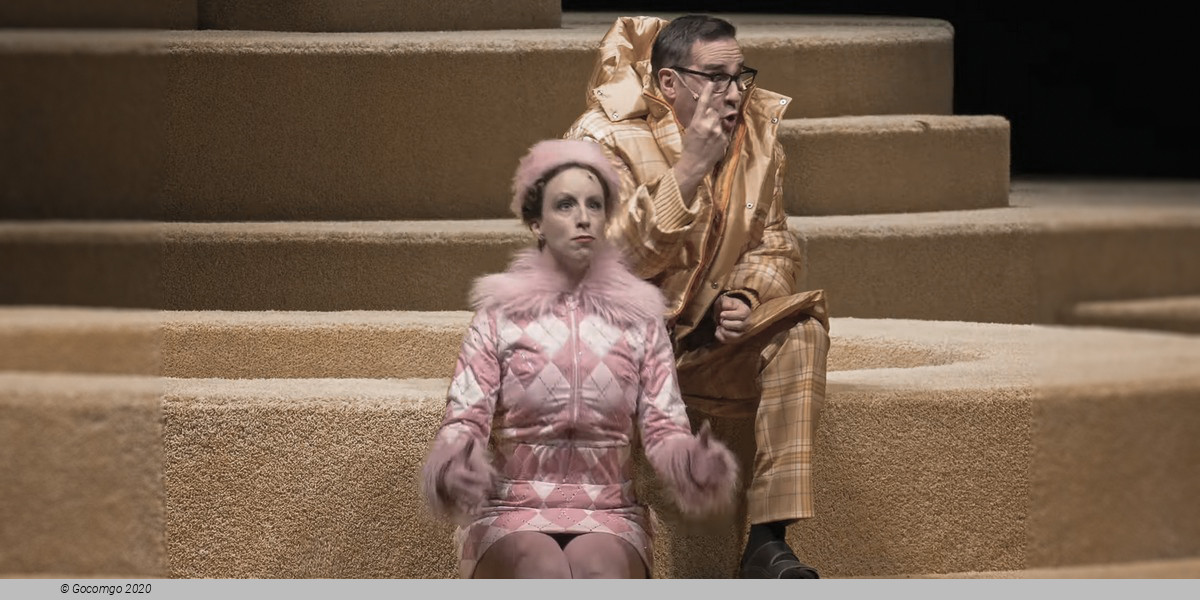
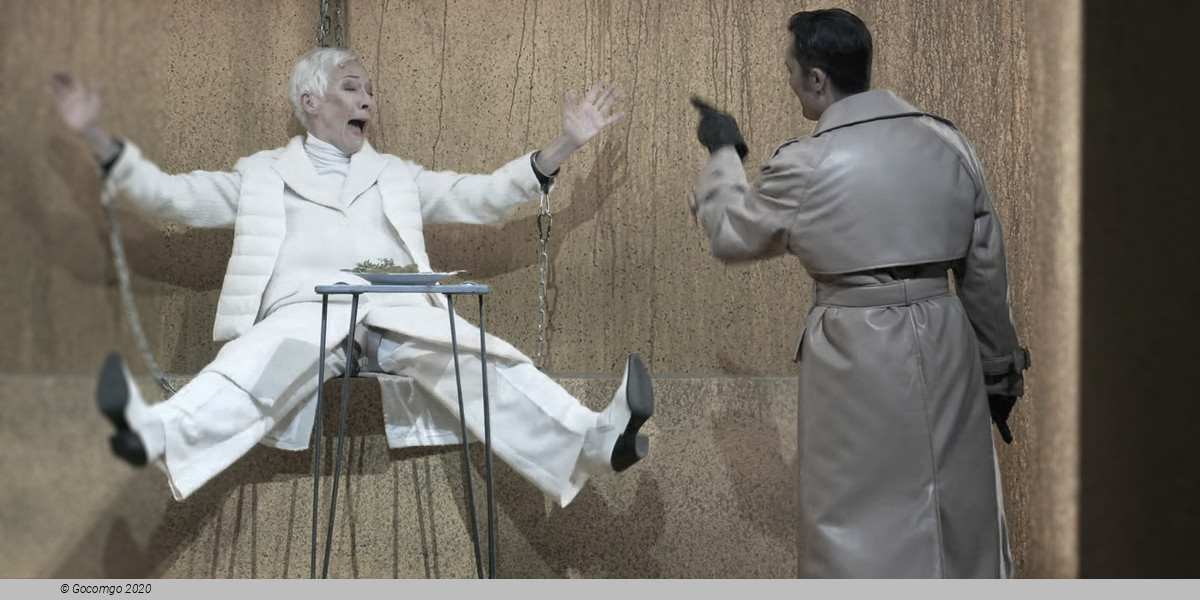
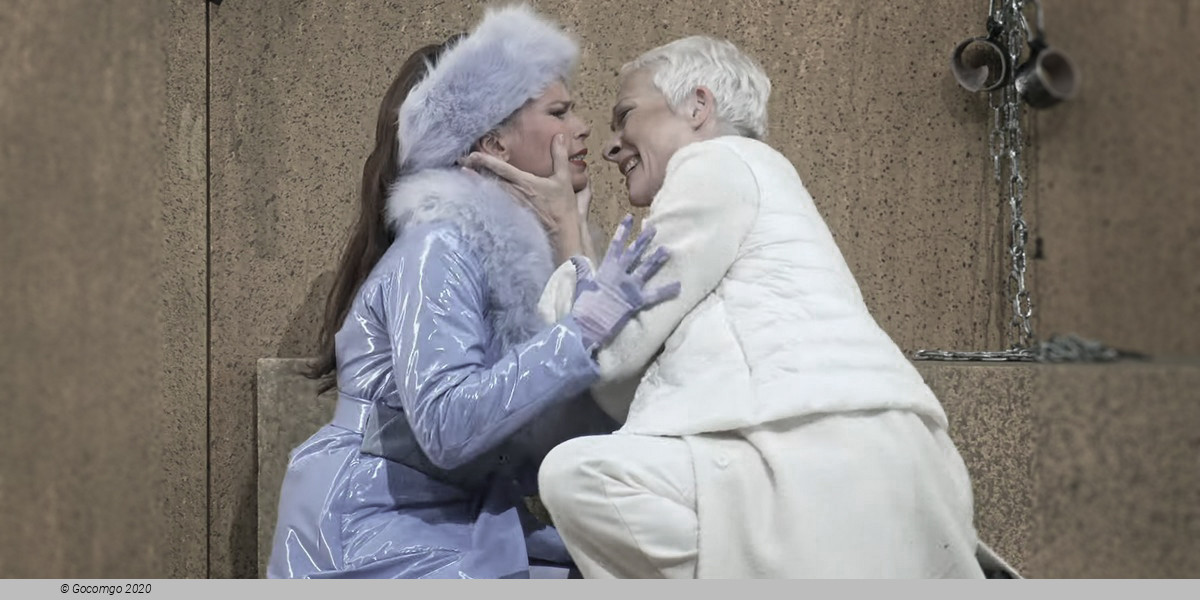
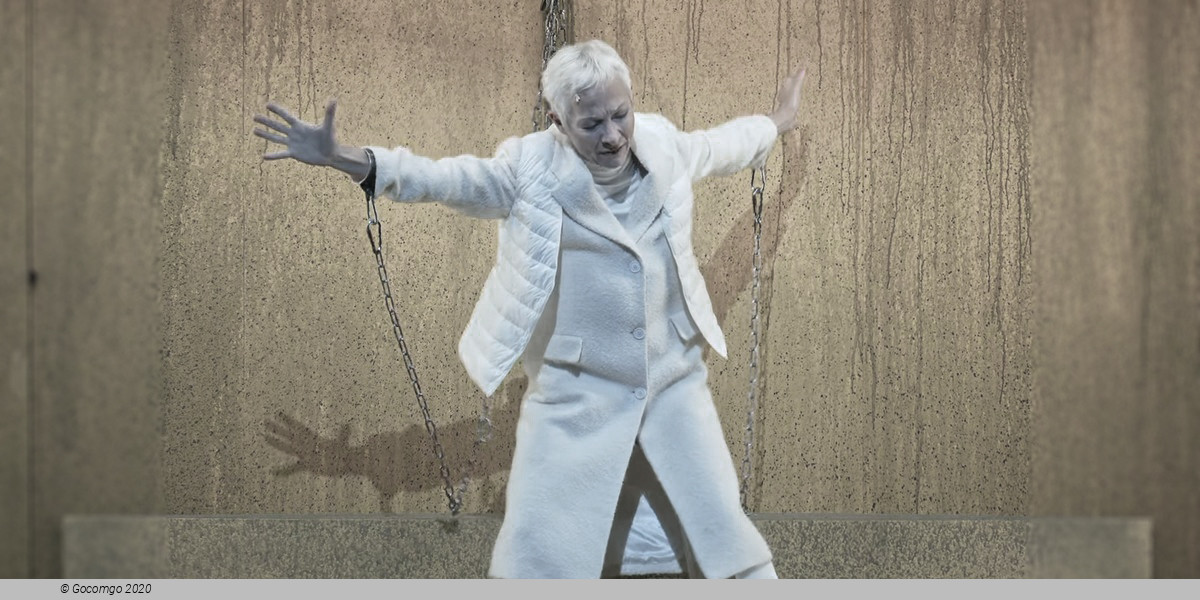
With The Threepenny Opera, Bertolt Brecht and Kurt Weill tore up the rule book of musical theatre and produced an acerbic satire of capitalism. A mix of popular songs, jazz and opera, this maverick musical phenomenon was an instant hit in 1928 and has still not shown signs of flagging. Barrie Kosky, the greatest living master of cabaret and musical theatre, makes the work wax lyrical and showcases its theatricality in a labyrinthine set where the Berliner Ensemble performers, conducted by Adam Benzwi, do their thing for the first time ever in Geneva.

The world is more than a stage: it's a grand cabaret! On its stage, for a pittance, beggars beg, thieves steal, and prostitutes ply their trade, but always with flair and panache. Here, there are no heroes or princesses. This is life, real life, the life of ordinary people, with their miseries and their splendors. Among them are Macheath, aka Mac-the-Blade, the gang leader and ladies' man, always up to no good. Peachum, the rag-and-bone man who runs the charity business. "Tiger" Brown, the police chief, with his flexible morals. Everyone plays their part and follows their script, until the day Polly, Peachum's daughter, falls for Mac. A secret marriage, and war is declared.

Berliner Ensemble Production

History
Premiere of this production: 31 August 1928, Theater am Schiffbauerdamm, Berlin

The Threepenny Opera (Die Dreigroschenoper) is a "play with music" by Bertolt Brecht, adapted from a translation by Elisabeth Hauptmann of John Gay's 18th-century English ballad opera, The Beggar's Opera, and four ballads by François Villon, with music by Kurt Weill. Although there is debate as to how much, if any, Hauptmann might have contributed to the text, Brecht is usually listed as sole author. The work offers a socialist critique of the capitalist world.

Synopsis

Overview
Set in Victorian London, the play focuses on Macheath, an amoral, antiheroic criminal.

Macheath ("Mackie," or "Mack the Knife") marries Polly Peachum. This displeases her father, who controls the beggars of London, and he endeavours to have Macheath hanged. His attempts are hindered by the fact that the Chief of Police, Tiger Brown, is Macheath's old army comrade. Still, Peachum exerts his influence and eventually gets Macheath arrested and sentenced to hang. Macheath escapes this fate via a deus ex machina moments before the execution when, in an unrestrained parody of a happy ending, a messenger from the Queen arrives to pardon Macheath and grant him the title of Baron. The details of the original 1928 text have often been substantially modified in later productions.

A draft narration by Brecht for a concert performance begins: "You are about to hear an opera for beggars. Since this opera was intended to be as splendid as only beggars can imagine, and yet cheap enough for beggars to be able to watch, it is called the Threepenny Opera."

Prologue
A street singer entertains the crowd with the illustrated murder ballad or Bänkelsang, titled "Die Moritat von Mackie Messer" ("Ballad of Mack the Knife"). As the song concludes, a well-dressed man leaves the crowd and crosses the stage. This is Macheath, alias "Mack the Knife".

Act 1
The story begins in the shop of Jonathan Jeremiah Peachum, the boss of London's beggars, who outfits and trains the beggars in return for a slice of their takings from begging. In the first scene, the extent of Peachum's iniquity is immediately exposed. Filch, a new beggar, is obliged to bribe his way into the profession and agree to pay over to Peachum 50 percent of whatever he made; the previous day he had been severely beaten up for begging within the area of jurisdiction of Peachum's protection racket.

After finishing with the new man, Peachum becomes aware that his grown daughter Polly did not return home the previous night. Peachum, who sees his daughter as his own private property, concludes that she has become involved with Macheath. This does not suit Peachum at all, and he becomes determined to thwart this relationship and destroy Macheath.

The scene shifts to an empty stable where Macheath himself is preparing to marry Polly once his gang has stolen and brought all the necessary food and furnishings. No vows are exchanged, but Polly is satisfied, and everyone sits down to a banquet. Since none of the gang members can provide fitting entertainment, Polly gets up and sings "Seeräuberjenny", a revenge fantasy in which she is a scullery maid turning pirate queen to order the execution of her bosses and customers. The gang becomes nervous when the Chief of Police, Tiger Brown, arrives, but it's all part of the act; Brown had served with Mack in England's colonial wars and had intervened on numerous occasions to prevent the arrest of Macheath over the years. The old friends duet in the "Kanonen-Song" ("Cannon Song" or "Army Song"). In the next scene, Polly returns home and defiantly announces that she has married Macheath by singing the "Barbarasong" ("Barbara Song"). She stands fast against her parents' anger, but she inadvertently reveals Brown's connections to Macheath which they subsequently use to their advantage.

Act 2
Polly warns Macheath that her father will try to have him arrested. He is finally convinced that Peachum has enough influence to do it and makes arrangements to leave London, explaining the details of his bandit "business" to Polly so she can manage it in his absence. Before he leaves town, he stops at his favorite brothel, where he sees his ex-lover, Jenny. They sing the "Zuhälterballade" ("Pimp's Ballad", one of the Villon songs translated by Ammer) about their days together, but Macheath doesn't know Mrs Peachum has bribed Jenny to turn him in. Despite Brown's apologies, there's nothing he can do, and Macheath is dragged away to jail. After he sings the "Ballade vom angenehmen Leben" ("Ballad of the Pleasant Life"), another Villon/Ammer song, another girlfriend, Lucy (Brown's daughter) and Polly show up at the same time, setting the stage for a nasty argument that builds to the "Eifersuchtsduett" ("Jealousy Duet"). After Polly leaves, Lucy engineers Macheath's escape. When Mr Peachum finds out, he confronts Brown and threatens him, telling him that he will unleash all of his beggars during Queen Victoria's coronation parade, ruining the ceremony and costing Brown his job.

Act 3
Jenny comes to the Peachums' shop to demand her money for the betrayal of Macheath, which Mrs Peachum refuses to pay. Jenny reveals that Macheath is at Suky Tawdry's house. When Brown arrives, determined to arrest Peachum and the beggars, he is horrified to learn that the beggars are already in position and only Mr Peachum can stop them. To placate Peachum, Brown's only option is to arrest Macheath and have him executed. In the next scene, Macheath is back in jail and desperately trying to raise a sufficient bribe to get out again, even as the gallows are being assembled.

Soon it becomes clear that neither Polly nor the gang members can, or are willing to, raise any money, and Macheath prepares to die. He laments his fate and poses the 'Marxist' questions: "What's picking a lock compared to buying shares? What's breaking into a bank compared to founding one? What's murdering a man compared to employing one?" (These questions did not appear in the original version of the work, but first appeared in the musical Happy End, another Brecht/Weill/Hauptmann collaboration, in 1929 – they may in fact have been written not by Brecht, but by Hauptmann).

Macheath asks everyone for forgiveness ("Grave Inscription"). Then a sudden and intentionally comical reversal: Peachum announces that in this opera mercy will prevail over justice and that a messenger on horseback will arrive ("Walk to Gallows"); Brown arrives as that messenger and announces that Macheath has been pardoned by the queen and granted a title, a castle and a pension. The cast then sings the Finale, which ends with a plea that wrongdoing not be punished too harshly as life is harsh enough.

Venue Info

Grand Théâtre de Genève - Geneva
Location   Grand Théâtre de Genève: Boulevard du Théâtre 11; Bâtiment des Forces Motrices (BFM): Place des Volontaires 2

The main stage is temporarily unavailable. From January 1, 2026, until the end of June 2027, the historic theater building will be closed for renovations. The stage equipment will be completely replaced and the orchestra pit acoustics will be modernized. During this period, all opera and ballet productions will be held at the Bâtiment des Forces Motrices (BFM) cultural center, Place des Volontaires 2.

Grand Théâtre de Genève is the main opera house of Geneva. The venue is a majestic building, towering over Place Neuve, officially opened in 1876, partly destroyed by fire in 1951 and reopened in 1962, after extensive refurbishments, which houses the largest stage in Switzerland. As an institution, it is the largest production and host theatre in French-speaking Switzerland, featuring opera and dance performances, recitals, concerts and, occasionally, theatre.

Built in 1879, the Grand Théâtre de Genève is the largest artistic stage in Switzerland and home to the Geneva opera house and the Geneva Ballet Company. Every season, it features nine performance runs of opera, three of dance and a broad range of recitals and cultural, youth-friendly or festive events to develop its audience and honour its public service mission. Gutted by fire in 1951, the building and the front of house retain its original Beaux-Arts style whereas the wood-panelled auditorium, completed in 1961, seats 1500 and boasts a spectacular metalwork security curtain that extends into the ceiling, where 1200 glass stars shine as the house lights. The Grand Théâtre de Genève employs its own opera chorus of 40 singers and has an artistic partnership with the Orchestre de la Suisse Romande for its opera season. Since 2019, Aviel Cahn is the general manager of the Grand Théâtre de Genève and since 2022, the Geneva Ballet Company is directed by Sidi Larbi Cherkaoui. The Grand Théâtre de Genève was named Opera Company of the Year in 2020 (Opernwelt).

Designed by Jacques­Elisée Goss on a design by Henri Sylvestre, the Grand Théâtre de Genève opened in 1879, in a Beaux­Arts and Second Empire­style building, with a horseshoe­shaped auditorium. In 1951, there was a terrible fire, during a rehearsal of Wagner’s Walkyrie: the auditorium, stage area and roofs were destroyed. It reopened in 1962 after a reconstruction project led by Charles Schopfer, Marco Zavelani­Rossi and Jacek Stryjenski (the latter having designed the huge ceiling inspired by the Milky Way called Alto). The foyers and adjoining areas were then hurriedly restored. The stage area was modernized in 1997 and the stage decks in 2006. Between 2016 and 2019, the Grand Théâtre was closed for renovations and its activities were held at the Opéra des Nations. The Place de Neuve site underwent an architectural renovation (new rehearsal rooms and changing rooms in the basement, meeting room in the attic area), also involving security (upgrading of comfort and fire standards) and heritage items. The foyers and hallways were refurbished, tapestries repaired, damaged marble and faux marble surfaces were restored and the parquet floors recreated. Several modern improvements were introduced, such as the box office reception desks and a Milky Way­type lighting introduced in the Upper Circle and Basement bars. The building reopened on 12 February 2019 with Wagner’s Das Rheingold and an Open Doors day followed by a Mapping on the place de Neuve on 23 March 2019 gathering 14000 people.

In 1962, the Grand Théâtre de Genève acquired a permanent ballet company, made up of 22 artists, offering two original choreographic creations per season. Collaborating with choreographers of international renown, over the course of its performances, it has built a worldwide reputation for itself. Today, whilst the premieres are always held in Geneva, the Geneva Ballet frequently performs outside Switzerland (France, Italy, United States, Russia, Australia, China, Brazil, South Africa…). From the 22–23 Season, the Ballet is under the management of Sidi Larbi Cherkaoui.

Founded in 1962, the Choir of the Grand Théâtre de Genève is an ensemble of forty-two professional singers from a wide variety of nationalities.
An essential part of the artistic department of the Grand Théâtre de Genève, the Choir takes part in the productions that contribute to the institution’s renowned reputation. For certain specific productions requiring a larger ensemble, additional professional singers join the group, allowing for flexibility and adaptability according to the program’s demands.
Thanks to the quality of its performances and its dedication, the Choir of the Grand Théâtre is not only recognized for its level of excellence by the press, but its performances are also praised by directors, conductors, and audiences alike. In 2023, the Choir was once again nominated for the Opera Awards.

Important Info
Type: Opera
City: Geneva, Switzerland
Starts at: 19:30
Intervals: 1
Duration: 3h
Sung in: German
Titles in: French,English
Top of page