The ballet La Fille mal gardée delights audiences with its playful humor, elegant choreography, and pastoral charm.
Every lift, leap, and comic moment captures the mischievous spirit of Lise and Colas, weaving a tapestry of love, mischief, and joy. This production offers a sparkling, heartwarming experience that celebrates the timeless magic of classical ballet.
Libretto – Jean Dauberval, edited by Juliana Malkhasiants
Choreographer-Director – Honored Artist of the Russian Federation Juliana Malkhasiants
Set Designer – People’s Artist of the Russian Federation Vyacheslav Okunev
Costume Designer – Natalia Zemalindinova
Lighting Designer – Honored Cultural Worker of Russia Irina Vtornikova
Musical Concept – Olga Sokolova
Orchestral Edition – Vladimir Kachesov
The story of this ballet has truly stood the test of time, as La Fille Mal Gardée is the earliest of all surviving classical ballets. Its premiere took place on July 1, 1789, in Bordeaux, France. At that time, the choreographer Jean Dauberval staged it to a compilation of popular music, beloved by audiences. The performance was a success, and the ballet was subsequently presented in various European cities, including Vienna, Marseille, Lyon, Naples, and Venice.
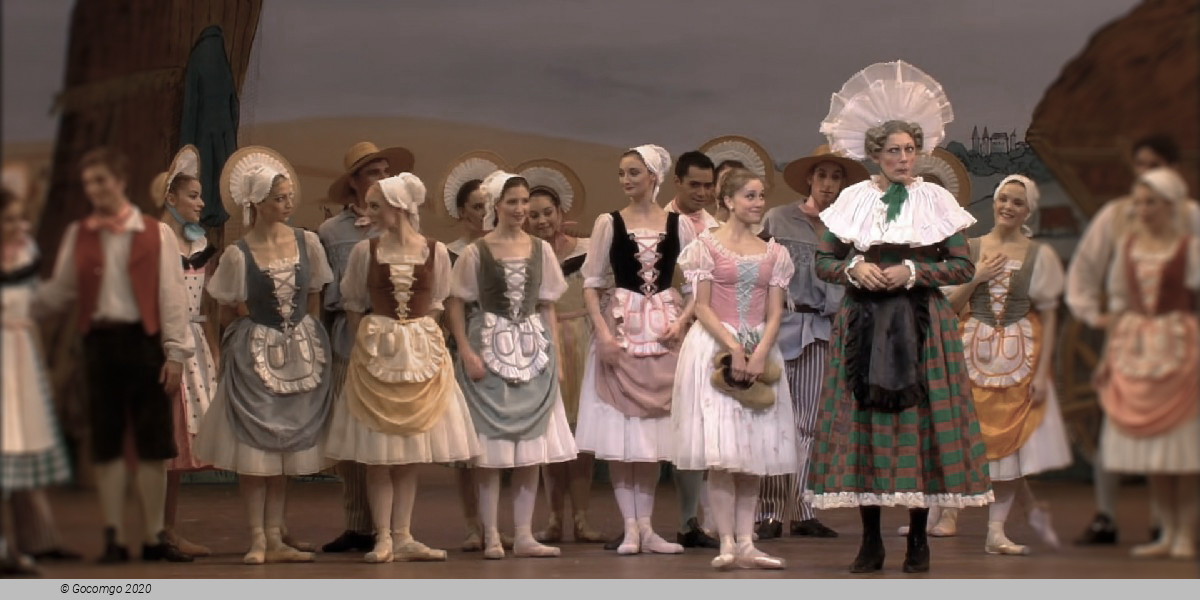
Over the years, numerous choreographers revisited the delightful tale of the charming young couple, Lise and Colas, who cleverly outwit Lise’s strict and vigilant mother, Simone, who dreams of marrying her daughter to a wealthy suitor. In Russia, audiences in Moscow and St. Petersburg enjoyed productions by Charles Didelot, Jules Perrot, and Irakli Nikitin. It is worth noting that in 1828, the French composer Louis Joseph Ferdinand Hérold created the first music specifically for the ballet, which remained unrivaled for decades.
Later, in 1864, the German composer Peter Hertel composed his own score, which contemporary audiences preferred. This music became the foundation for the 1885 production in St. Petersburg by Marius Petipa and Lev Ivanov, performed by the Imperial Ballet, and regarded as one of the most successful interpretations. In 1903, Alexander Gorsky followed their example in Moscow’s Bolshoi Theatre, adding fragments from Riccardo Drigo’s compositions to Hertel’s score.
In the latter half of the 20th century, interest in Hérold’s original music revived, attracting renowned choreographers such as Frederick Ashton and Oleg Vinogradov. Ashton’s version premiered in 1960 at London’s Covent Garden, while Vinogradov first staged his adaptation in 1971 at the Kirov (now Mariinsky) Theatre, later transferring it to the Mikhailovsky Theatre, where it ran for seventeen seasons.
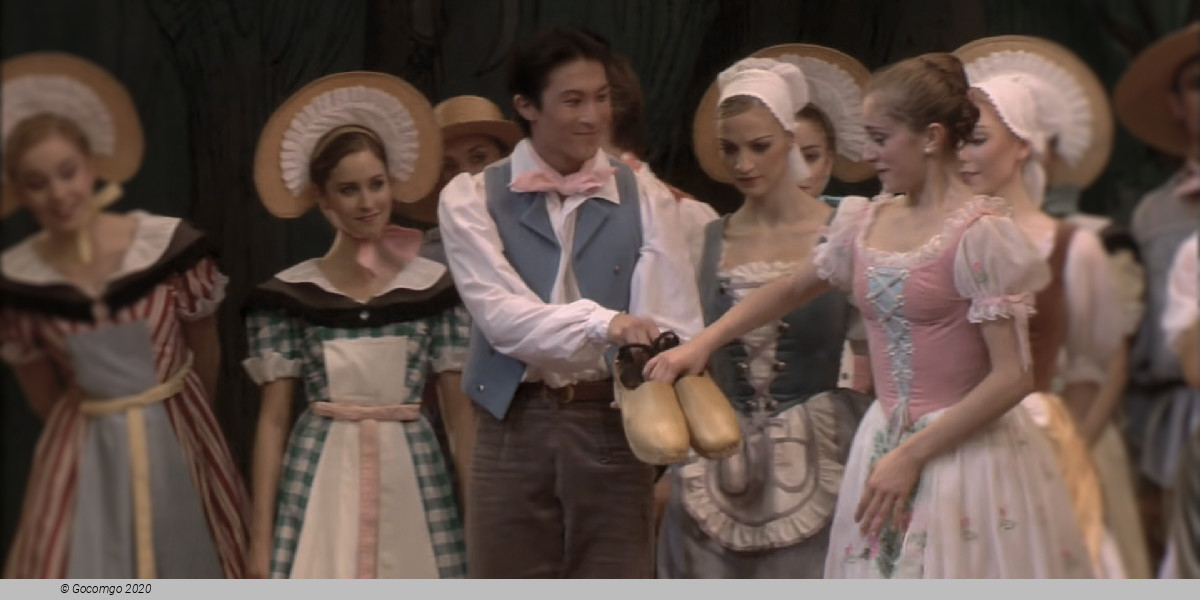
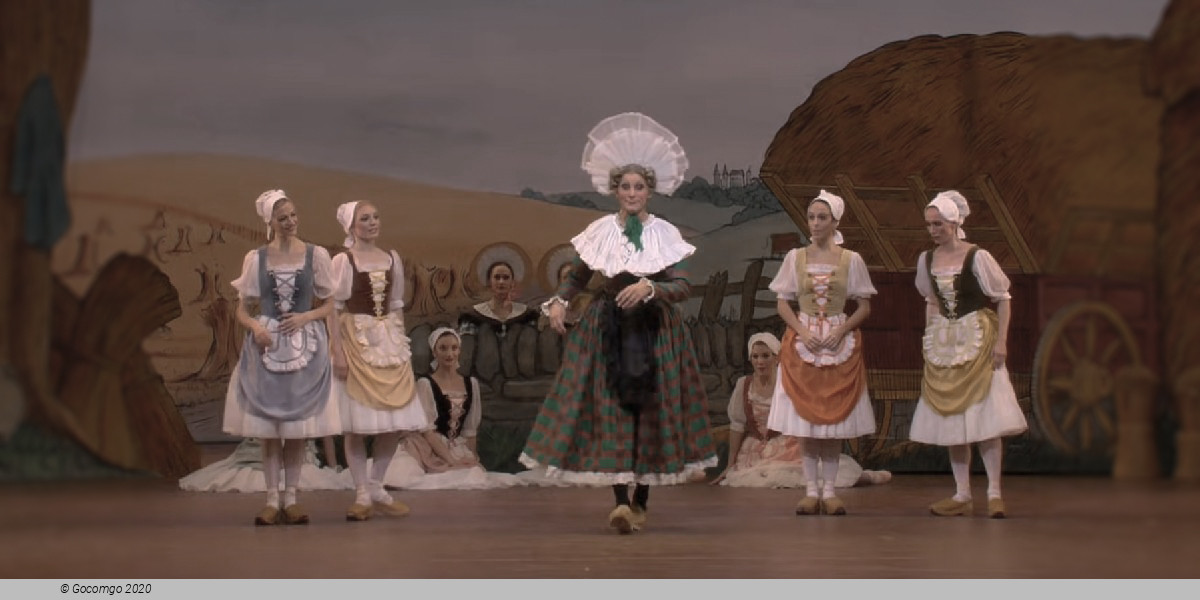
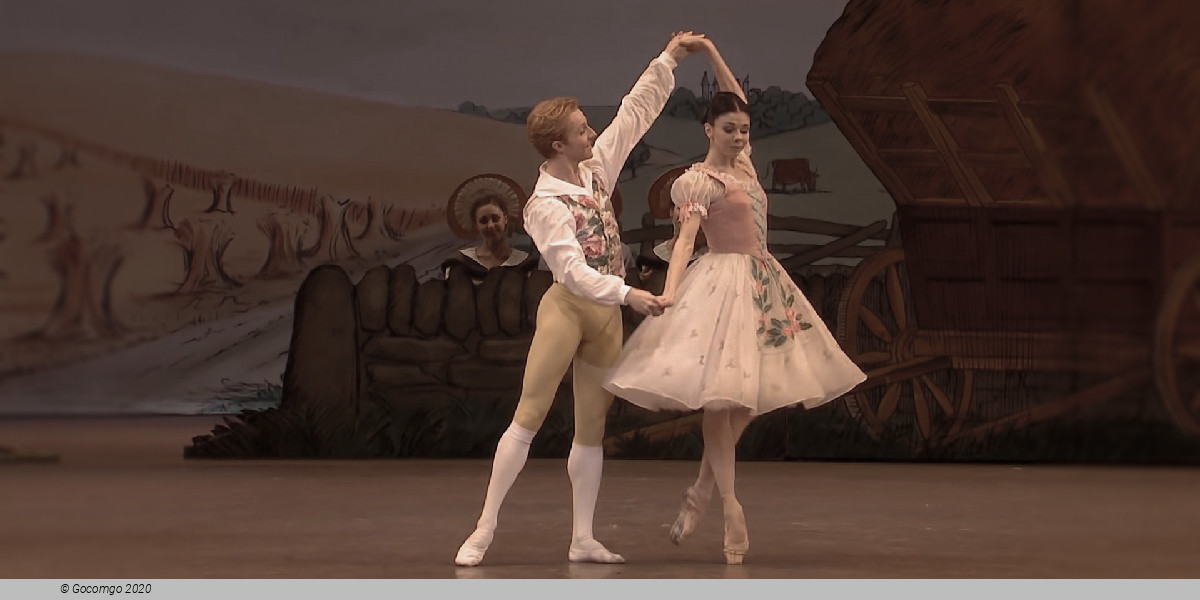
Now, Honored Artist of Russia Juliana Malkhasiants presents a fresh interpretation of this beloved story, returning primarily to Hérold’s music. The ballet offers exquisite classical dance, elegantly enriched with witty choreographic “reprises,” a truly playful and charming narrative full of humorous twists. In short, this rare comedic gem on the ballet stage promises delight for both seasoned connoisseurs and newcomers discovering the magic of classical choreography.
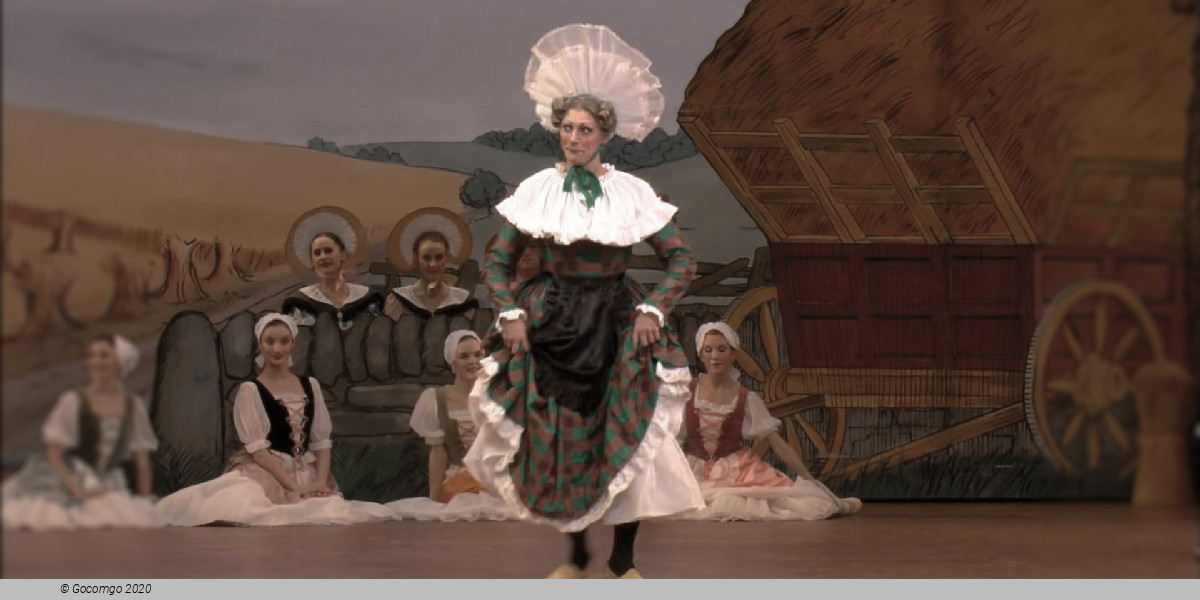
In 1959, the choreographer Frederick Ashton began creating a completely new version of La Fille mal gardée for the Royal Ballet of London. This production premiered on 28 January 1960, with the ballerina Nadia Nerina as Lise, David Blair as Colas, Stanley Holden as the Widow Simone, and Alexander Grant as Alen. Since its inception Ashton's staging has become a celebrated classic of the ballet repertory.
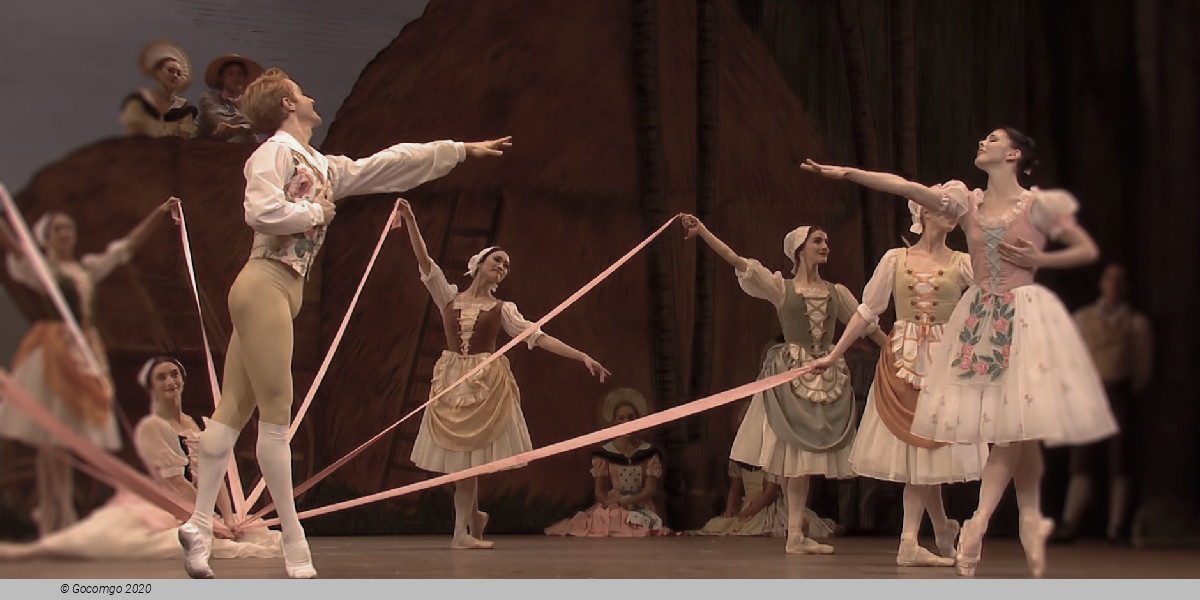
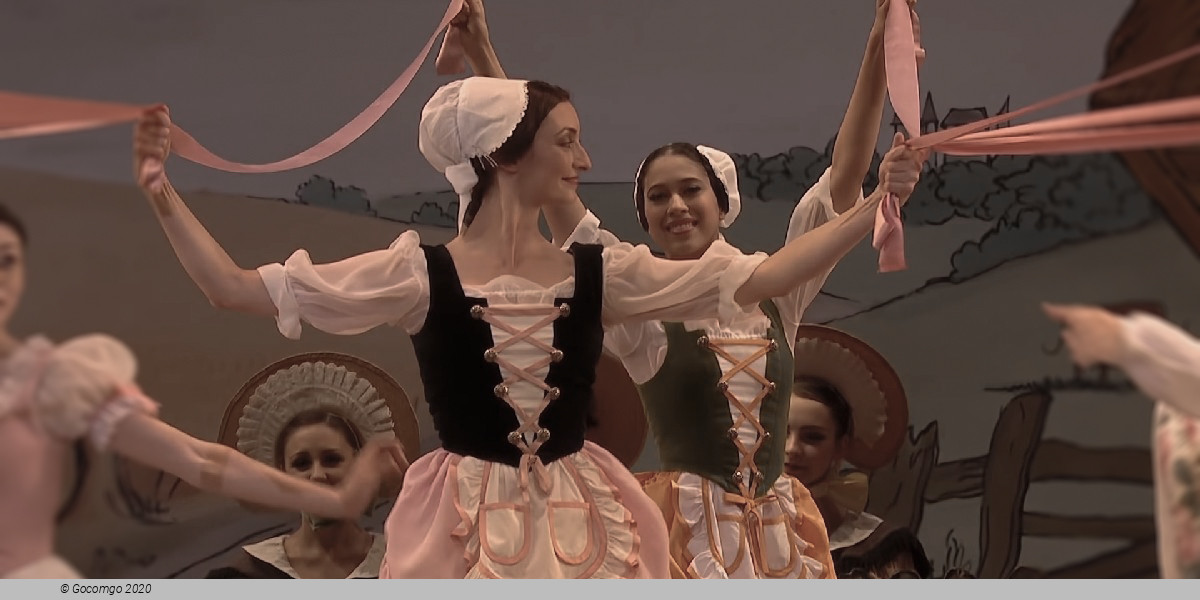
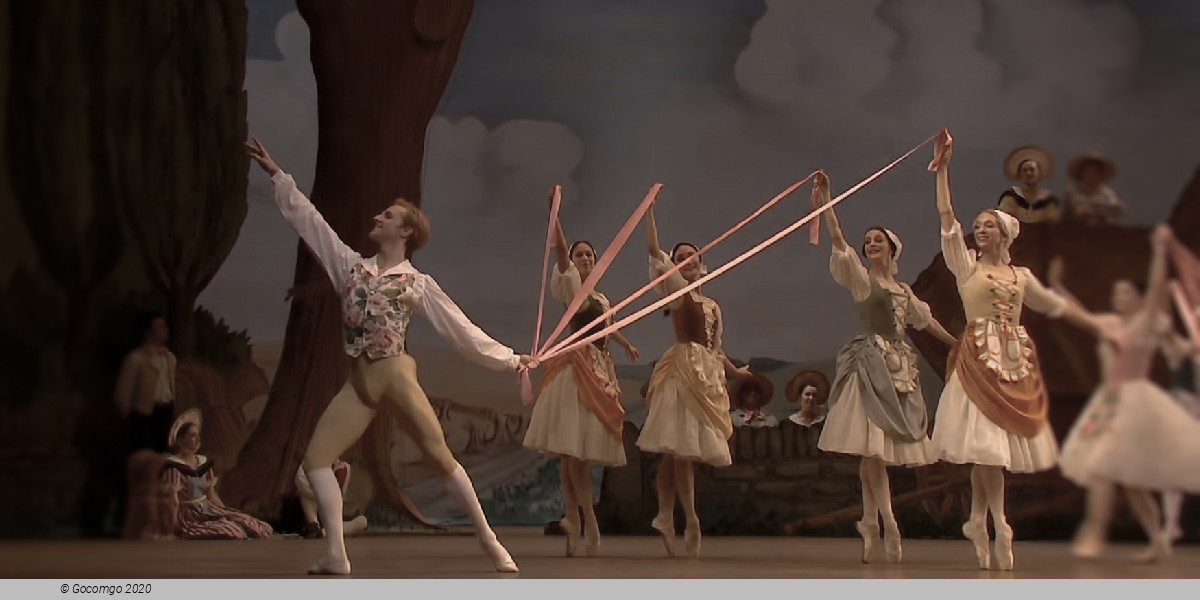
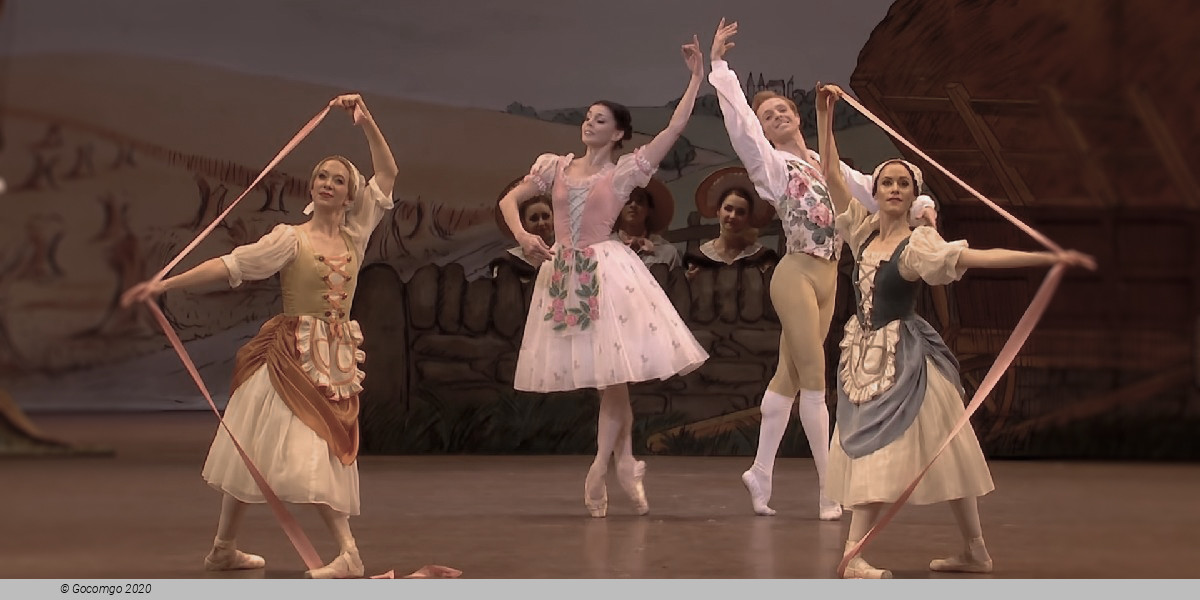
Ashton created what is considered to be among his most masterful choreography for his new version of La Fille mal gardée. He resurrected the Pas de ruban for Lise and Colas, in which the lovers perform a charming pas with intricate tricks using a pink satin ribbon. Ashton took this idea to an entirely new level with the Fanny Elssler pas de deux, devising a spectacular Grand adage for Lise, Colas and eight women with eight ribbons. Ashton also included Petipa's original mimed sequence known as When I'm Married, a passage that was performed by all of the great ballerinas of old when they danced the role of Lise. He was taught this passage by Tamara Karsavina, former Ballerina of the St. Petersburg Imperial Theatres and the Original Ballet Russe. She had in turn learned it from her teacher Pavel Gerdt, once the Imperial Ballet's leading male dancer who partnered all of the great ballerinas of the late 19th century and early 20th century in the role of Lise, including Virginia Zucchi.
Ashton's 1960 version of La Fille mal gardée has been staged for many companies throughout the world and has become the more or less "traditional" version, replacing the productions derived from the Petipa/Ivanov/Gorsky versions danced in Russia to the music of Hertel. Among such companies are the Bolshoi Ballet (2002), and American Ballet Theatre (2004). In spite of this, the famous La Fille mal gardée pas de deux, which is taken from the Petipa/Ivanov/Gorsky versions of the ballet, is still performed with regularity as a gala excerpt, and is often used by various young dancer on the ballet competition circuit.






 The Kremlin, State Kremlin Palace