





Winspear Opera House: Coppélia Tickets | Event Dates & Schedule | GoComGo.com

Coppélia Tickets

Winspear Opera House, Dallas, USA
All photos (7)
1 / 7
Available Dates: 14 - 16 May, 2027 (4 events)
Important Info
Type: Ballet
City: Dallas, USA

E-tickets: Print at home or at the box office of the event if so specified. You will find more information in your booking confirmation email.

You can only select the category, and not the exact seats.
If you order 2 or 3 tickets: your seats will be next to each other.
If you order 4 or more tickets: your seats will be next to each other, or, if this is not possible, we will provide a combination of groups of seats (at least in pairs, for example 2+2 or 2+3).

Cast
Performers
Choose the date to see the peformers
Overview

Mischief Meets Its Match
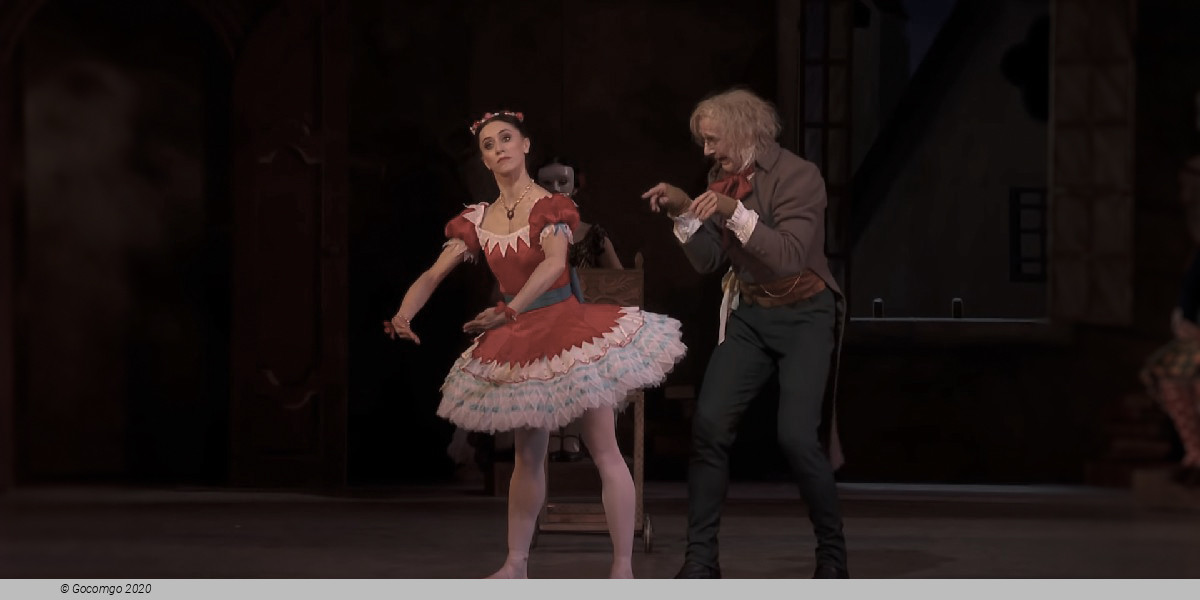
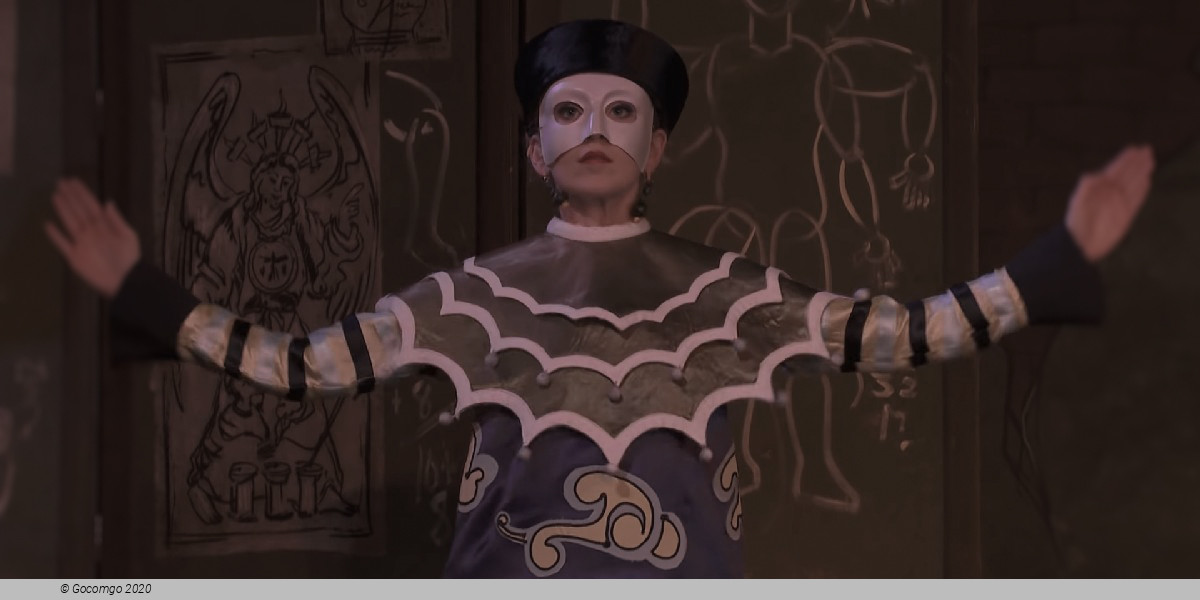
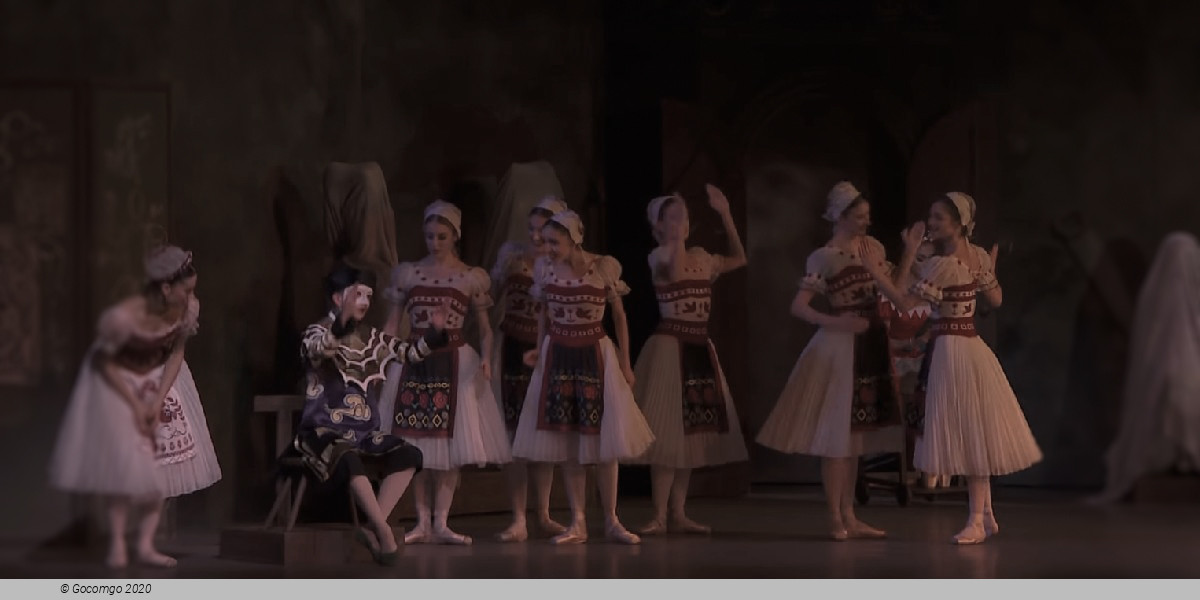
Enjoy a tale of mischief, magic, and romance — guaranteed to make you laugh. This sparkling comedy follows the spirited Swanhilda, her hapless sweetheart Franz, and the eccentric Dr. Coppélius in a playful adventure brimming with wit, warmth, and classical charm. Featuring buoyant, character-rich choreography, vibrant sets, and exquisitely detailed costumes, Coppélia is a joyful celebration of love, laughter, and the art of storytelling.

History
Premiere of this production: 25 May 1870, Théâtre Impérial l Opéra, Paris

Coppélia is a comic ballet originally choreographed by Arthur Saint-Léon to the music of Léo Delibes, with libretto by Charles-Louis-Étienne Nuitter. Nuitter's libretto and mise-en-scène was based upon two stories by E. T. A. Hoffmann: Der Sandmann (The Sandman) and Die Puppe (The Doll).

Synopsis

Dr. Coppélius is a doctor who has made a life-size dancing doll. It is so lifelike that Franz, a village youth, becomes infatuated with it and sets aside his heart's true desire, Swanhilda. She shows him his folly by dressing as the doll, pretending to make it come to life and ultimately saving him from an untimely end at the hands of the inventor.

Act I
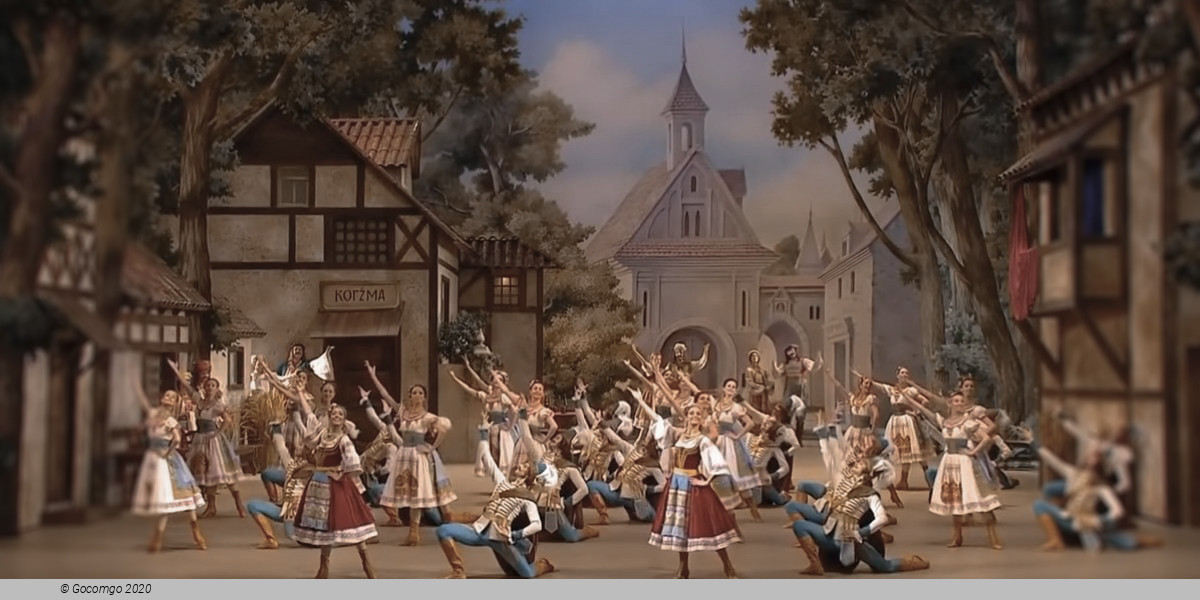
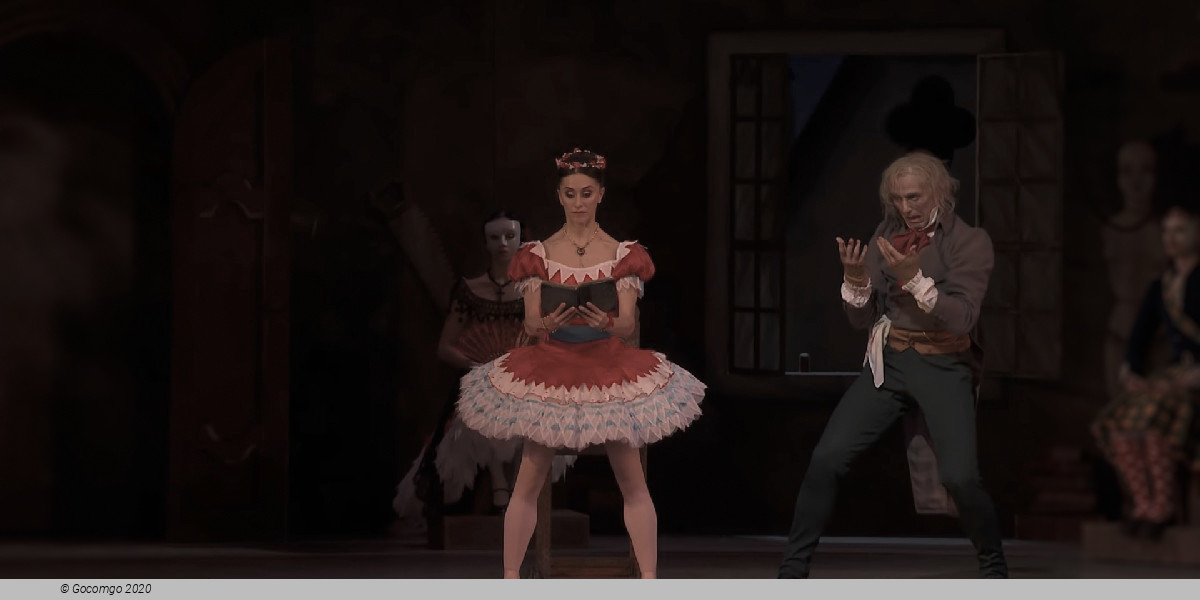
The story begins during a town festival to celebrate the arrival of a new bell. The town crier announces that, when it arrives, anyone who becomes married will be awarded a special gift of money. Swanilda and Franz plan to marry during the festival. However, Swanilda becomes unhappy with Franz because he seems to be paying more attention to a girl named Coppélia, who sits motionless on the balcony of a nearby house. The house belongs to a mysterious and faintly diabolical inventor, Doctor Coppélius. Although Coppélia spends all of her time sitting motionless and reading, Franz is mesmerized by her beauty and is determined to attract her attention. Still upset with Franz, Swanilda shakes an ear of wheat to her head: if it rattles, then she will know that Franz loves her. Upon doing this, however, she hears nothing. When she shakes it by Franz's head, he also hears nothing; but then he tells her that it rattles. However, she does not believe him and runs away heartbroken.

Later on, Dr. Coppelius leaves his house and is heckled by a group of boys. After shooing them away, he continues on without realizing that he has dropped his keys in the melée. Swanilda finds the keys, which gives her the idea of learning more about Coppélia. She and her friends decide to enter Dr. Coppelius' house. Meanwhile, Franz develops his own plan to meet Coppélia, climbing a ladder to her balcony.

Act II
Swanilda and her friends find themselves in a large room filled with people. However, the occupants aren't moving. The girls discover that, rather than people, these are life-size mechanical dolls. They quickly wind them up and watch them move. Swanilda also finds Coppélia behind a curtain and discovers that she, too, is a doll.

Dr. Coppelius returns home to find the girls. He becomes angry with them, not only for trespassing but for also disturbing his workroom. He kicks them out and begins cleaning up the mess. However, upon noticing Franz at the window, Coppélius invites him in. The inventor wants to bring Coppélia to life but, to do that, he needs a human sacrifice. With a magic spell, he will take Franz's spirit and transfer it to Coppélia. After Dr. Coppelius proffers him some wine laced with sleeping powder, Franz begins to fall asleep. The inventor then readies his magic spell.

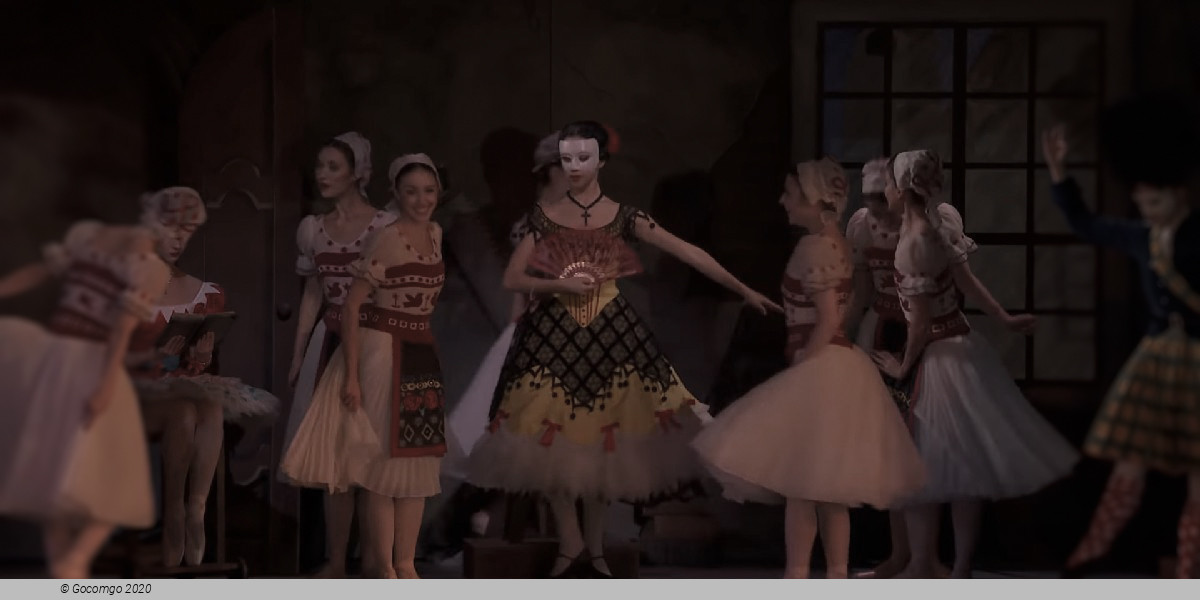
However, Dr. Coppelius did not expel all the girls: Swanilda is still there, hidden behind a curtain. She dresses up in Coppélia's clothes and pretends that the doll has come to life. She wakes Franz and then winds up all the mechanical dolls to aid their escape. Dr. Coppelius becomes confused and then saddened when he finds a lifeless Coppélia behind the curtain.

(Note: In some Russian versions of the ballet, after getting caught, Swanhilda confesses to Dr. Coppelius about what she and her friends did and her situation with Franz. Coppelius decides to forgive Swanhilda and teach her how to act like a doll coming to life to fool Franz, thus ending Act 2 on a happier note.)

Act III
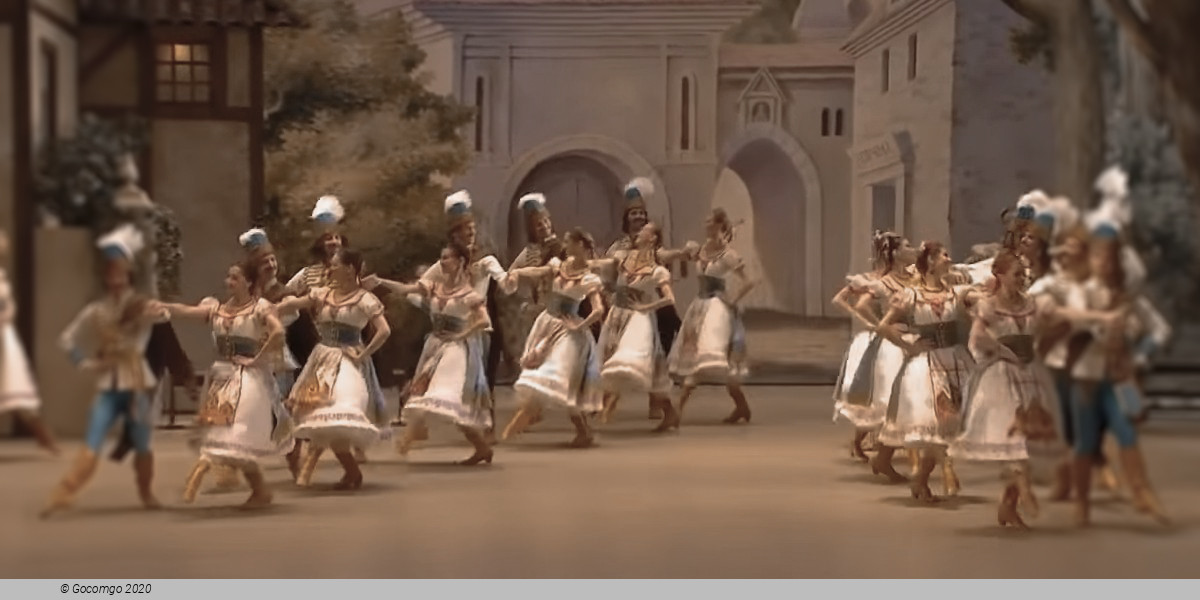
Swanilda and Franz are about to make their wedding vows when the angry Dr. Coppelius appears, claiming damages. Dismayed at having caused such an upset, Swanilda offers Dr. Coppelius her dowry in return for his forgiveness. However, Franz tells Swanilda to keep her dowry and offers to pay Dr. Coppelius instead. At that point, the mayor intervenes and gives Dr. Coppelius a bag of money, which placates him. Swanilda and Franz are married and the entire town celebrates by dancing.

Venue Info

Winspear Opera House - Dallas
Location   2403 Flora St

The Margot and Bill Winspear Opera House is an opera house (one of four venues in the AT&T Performing Arts Center) located in the Arts District of downtown Dallas, Texas (USA). Designed as a 21st-century reinterpretation of the traditional opera house, the Winspear seats 2,200 (with a capacity of 2,300) in a traditional horseshoe configuration. The facility is the home of The Dallas Opera (which until the 2008/2009 season performed at the Music Hall at Fair Park) and the Texas Ballet Theater.

History

Groundbreaking for the AT&T Performing Arts Center and Winspear Opera House was held in October 2006. The venue was designed by Foster and Partners (principal architect: Spencer de Grey) and made possible in part by a $42-million gift from Margot and Bill Winspear, for whom the facility is named. The London firm Sound Space Design (principal acoustician: Robert Essert) developed the acoustical design of the opera house and the acoustics were engineered specifically for performances of opera and musical theater. Theatre planning and theatre equipment design was by Theatre Projects Consultants. The stages were also equipped with appropriate flooring for performances of ballet and other forms of dance.

The opera house was presented to the public with tours and performances during the center's opening week, October 12 – 18, 2009. The first opera performance took place on October 23, 2009, with Verdi's Otello, conducted by Graeme Jenkins.

Design Features

The Annette and Harold Simmons Signature Glass Façade wrap around the building, creating transparency between the opera house and the surrounding Performance Park. An 84-foot (26 m) wide section of the glass façade is retractable to a height of 23 feet (7.0 m), literally opening up the Grand Lobby, Cafe, and Box Circle-level Restaurant to Performance Park.

The Grand Portico, radiating from the opera house on all sides, provides shade over 3 acres (12,000 m2) of the Performance Park. The solar canopy's louvers are arranged at fixed angles following the path of the sun. By eliminating the most direct sunlight on the façade and by creating a cooler microclimate around the building, the canopy significantly reduces the energy requirements of the Winspear Opera House.

In May 2009 artist Guillermo Kuitca was commissioned to design the stage curtain. The design abstracts the seating plan for Winspear's Margaret McDermott Performance Hall and reproduces this image onto the curtain itself.

A key design feature is the 318-rod chandelier located inside the performance hall, named The Moody Foundation Chandelier. The chandelier hangs 50 feet below the ceiling. Starting Friday, June 28, 2013, the traditional pre-performance ascent of The Moody Chandelier has been accompanied by an exclusively adapted piece “The Light” by American composer Philip Glass. Once retracted into the ceiling, it leaves the impression of a star-lit night, as each rod has the ability to "twinkle." The acrylic rods are illuminated by three primary color LEDs which allows the chandelier to be lit in virtually any color.

Important Info
Type: Ballet
City: Dallas, USA

E-tickets: Print at home or at the box office of the event if so specified. You will find more information in your booking confirmation email.

You can only select the category, and not the exact seats.
If you order 2 or 3 tickets: your seats will be next to each other.
If you order 4 or more tickets: your seats will be next to each other, or, if this is not possible, we will provide a combination of groups of seats (at least in pairs, for example 2+2 or 2+3).

From
$ 93
Top of page